
My two main sources for this blog will be Women’s Anatomy of Arousal by Sheri Winston, Mango Garden Press, 2010, which won the AASECT Book of the Year Award that year, and The Science of Orgasm by Barry R. Komisaruk, Carlos Beyer-Flores, & Beverly Whipple, Johns Hopkins University Press, 2006. I’ll also be searching for more current studies regarding these topics and will list them below.
Surgical Context: Hysterectomy, bilateral salgingo oophorectomy, omentectomy, and tumor debulking
This surgical context is also my personal context. At the moment I am between five and six weeks of recovery from these surgeries, which were done via robot-assisted laparoscopic methods. And wow, am I pleased overall! But I spent most of the weeks leading up to these surgeries (1) trying to overcome chemo brain fog, (2) worrying about everything, and (3) getting my affairs in order in case I didn’t make it through the surgeries for some reason. (This latter was a big, big deal with dozens of moving parts.) Though I should have had more questions for my excellent gynecological oncologist surgeon, concerns about my future sex life and hormonal situations (living sans ovaries) were pushed to the back burner. My prognosis is still somewhat uncertain, after all. Three more cycles of chemo and a CT scan at the end of them will tell me more.
I suspect this is how it is for most of us who deal with cancer, particularly gynecological cancers. We are busy with all kinds of work, relationship, family, social, and creative matters in addition to dealing with the ups and downs of treatment. And it can be a challenge to understand complex medical information in a practical way, particularly when it comes to our own sexual health, behavior, and pleasure. And we may already be dealing with other sexual and relationship complications in our lives!
And it is somewhat maddening that the twelve week prohibition against “anything in the vagina”–so necessary for healing after these surgeries–also prevents patients from exploring the altered internal vaginal terrain and any differences in sensation! Fortunately nothing prevents one from enjoying external stimulation. (Anal sex is not covered in this blog post. I don’t have enough information about any possible cautions, especially in early post-surgical weeks.)
In this blog post I’ll do my best to connect some rather complex dots, but there may be limits to my understanding and if so, I will make corrections and updates as needed. So please view this particular blog as somewhat of a work in progress.
Is there still a controversy over the impacts of total hysterectomy on sexual function and response?
In The Science of Orgasm (2006), a section on “The Hysterectomy Controversy” is included in the chapter on The Genital-Brain Connection (pp. 233-235). In this chapter, various studies of the sexual experiences of hysterectomy were cited, with mixed results. But all those studies predated 2006. Studies after 2020 are also mixed, but tend to identify the bilateral salpingo-oophorectomy patients as experiencing the most distruption in sexual function and desire (Dedden et al. 2023; Islam et al. 2022; Stuursma, et al. 2022).
It’s important to note that studies also focus on particular scenarios or patients, such as preventative (benign) vs. malignant removal of sexual organs, and whether the patients are pre- or postmenopausal. So if you are a postmenopausal ovarian cancer patient, studies of perimenopausal patients having preventative surgeries may not be relevant to you (and vice versa). Also, in one study, patients reported a variety sexual problems but analysis did not find the reports to be statistically significant (Dini, Dini, Yusrizal, & Basir 2022).
But it’s probably safe to say that post-surgical patients should be on the alert for sexual function and pleasure problems, and gather as much advice and information as possible from medical providers and reputable websites. However treatment recommendations may vary depending on your own condition and medical history and your medical provider’s assessment of current research and practice guidelines.
Sexual function sans ovaries
What do our ovaries do for us, besides create eggs? Lots of things, as it turns out. The sex steroids they produce are essential for our sexual and reproductive health. The Science of Orgasm references a 2000 study by Shifren et al. which found that “ovaries provide approximately half the circulating testosterone in premenopausal women” (pp. 178). As for estrogen, a study of female sexual dysfunction says “A fall in estradiol levels can result in vaginal smooth muscle atrophy and increased vaginal acidity, leading to discomfort. Systemic HRT in isolation may not always address these problems and vaginal estrogen may still be required to treat FSD related to vulvovaginal atrophy. Topical estrogen is currently available in the form of a vaginal ring, vaginal creams and vaginal pessaries” (Kershaw & Jha, 2022).
And since we rely on our ovaries for so much, having them removed can conjure fears of “drying up” (vaginal atrophy and less lubrication), “losing libido,” and orgasm difficulties. And these diminished quality of life experiences can become realities without careful, medically recommended uses of topical estrogen and testosterone. Anyone who has had epithilial ovarian cancer which tests positive for estrogen is going to have to be very careful indeed! You do not want to nourish potential future cancer cells with systemic estrogen treatments.
The good news is the ovaries aren’t the only source of sex steroids. Here’s what I found in The Science of Orgasm: “it should be noted that sex steroids (estrogens, androgens, progestins) can be produced, directly or indirectly by tissues other than the ovaries and testes. The participation of the adrenal cortex as a source of steroids capable of maintaing sexual response in women after bilateral oophorectomy has often been suggested. Indeed, estrogen present in the blood of postmenopausal women, and women who have undergone bilateral oophorectomy, results in the aromatization of androstendedion to estrone” (Komisaruk et al. referencing McDonald, 1971; Schindler, 1975; on p. 179).
Vaginal Dryness and Lubrication
As you may have read in Part Two of this series, vaginal dryness and lack of lubrication are common problems for gynecological cancer patients of all ages, plus these can also be part of the postmenopause and aging landscape.
Vaginal lubrication typically happens due to sexual excitement, therefore it can be unnerving–and uncomfortable–to not produce it in your post-surgical life. Partners of people with vaginas are also used to a “really wet” vagina as being the green light to penetration (or other stimulation). So what’s a body to do?
It may help to understand more about how vaginal lubrication is produced. The Science of Orgasm has an excellent description of this: “The vaginal epithelium is not glandular–that is, does not secrete any substances–yet a vaginal lubricant is produced. In response to the release of vasoactive intestinal peptide by nerve endings in the vagina, the slippery fluid passes from the blood in the capillaries through the cells of the vaginal lining and into the vaginal canal. This process, called “transudation,” is fundamentally distinct from the more familiar lubrication systems that involve secretion by glands” (Komisaruk et al. 2006 referencing Levin, 1998 on p. 35).
Other neuropeptides, such as neuropeptide Y and nitric oxide, may also play a role (Komisaruk et al. referencing Hoyle et al. 1996 on p. 35). Referencing Levin again, The Science of Orgasm notes this “neurotransmitter process also increases the blood flow and feeling of congestion in the vagina…” (p. 35). We’ll note that sexual partners also find a swollen (congested) vagina to be a strong indication of arousal.
Of course, vaginal dryness and lubrication can be addressed through using commercial lubes as well as medically supervised topical applications of hormones (when appropriate). But what about other ways to create lubrication besides vaginal and clitoral stimulation, which may or may not be easy given the decrease in sex steroids after ovary removal? I am currently trying to find an explanation for the neurological and hormonal relationships between prolonged breast and nipple stimulation and (unexpected, post-surgical) vaginal lubrication. More on this when I find an answer.
Women’s Anatomy of Arousal tells us that “while all erectile tissue is essentially the same, the energy, arrangement, and responses of the female arousal apparatus are strikingly different from the male’s” and that “women can get aroused and be orgasmic with only part of the network activated. Unlike the all-or-nothing instrument of the penis, the female arousal network consists of many instruments” (Winston 2010, p. 145). So this diversity of sexual response networks is also good news for people who have had female reproductive organs removed or changed.
Post Surgical Orgasm – Part One
There are many ways to experience orgasm, and some of these can bypass the genitals completely through mental training and focus (as some spinal cord patients have done). Erotic hypnosis methods can also help with this, and can also be used to enhance genital senstions, even causing non-touch hypno-gasms (Marsh, 2023). And some people can even “think off” without touch (Komisaruk et al. 2006 p. 3).
But in this blog I am going to start here with the basics of female-bodied orgasm and this means a description of the physical arousal networks. (I am not going to get into theories of sexual response cycles in this blog post. Later for that.)
Winston (2010) provides a great list of erectile tissue that make up the network in female bodies and it’s easier to quote her here than to summarize: “interconnected but separate structures of the clitoris, vestibular bulbs, and two sponges. The clitoris is composed of three parts, the head, the shaft and the legs. The paired vestibulate bulbs form fat parentheses around the vaginal opening, lying under the lips. The urethral sponge is the tubular cylinder of erectile tissue that surrounds the urethra and lies above the roof of the vagina. The perineal sponge is a pad of erectile tissue that sits under the vaginal floor, in the wall between the vaginal and anal canals” (p. 144). Winston also addressed erectile tissue in the inner labia, nipples and areolae, lips, earlobes, and “the flaring opening of our nostrils” (pp. 144-145). The urethral sponge is also the area of the famous G-spot and less well known A-spot
So these are the parts of female bodies that can become engorged when sexually excited. Winston also notes that “women do not like having their erectile structures stimulated until they are at least partially engorged” and that this “can actually decrease arousal” (p. 145). I would say the illustrations and descriptions of the “unified, brilliantly designed” female sexual system (pp. 146-147) are worth the price of the book alone, though there are many other excellent reasons to buy it.
Aside from the possible impact of diminished hormones on sexual responses, there are some structural changes that might change the way you experience orgasm, in terms of ease and intensity.
Your uterus is gone
The movements of the uterus are often overlooked in discussions of orgasmic response. Winston describes the uterus as pulsing up and down during orgasm, “in a deep, slow, throbbing background rhythm that provides a bass counterpoint to the faster quivering of the pelvic floor muscles as they spasm” (p. 124). Winston also notes that many people who have had a hysterectomy say their orgasms feel different and this makes sense as there is no throbbing uterus anymore (p. 124).
If you have had a hysterectomy but retained your cervix (probably unusual for cancer patients), the uterus is not there to pull the cervix out of the way during deep thrusting. So this might become a source of discomfort.
Your vagina might be shortened
After the uterus (and other structures) are removed, the vagina is closed at the top, creating a “vaginal cuff.” With laparoscopic surgery and an attentive surgeon, a patient might retain more vaginal length. With open surgery, there may be less ability to preserve most of your length. It’s a good idea to discuss this with your surgeon ahead of time! And talk about this with your partner(s) too!
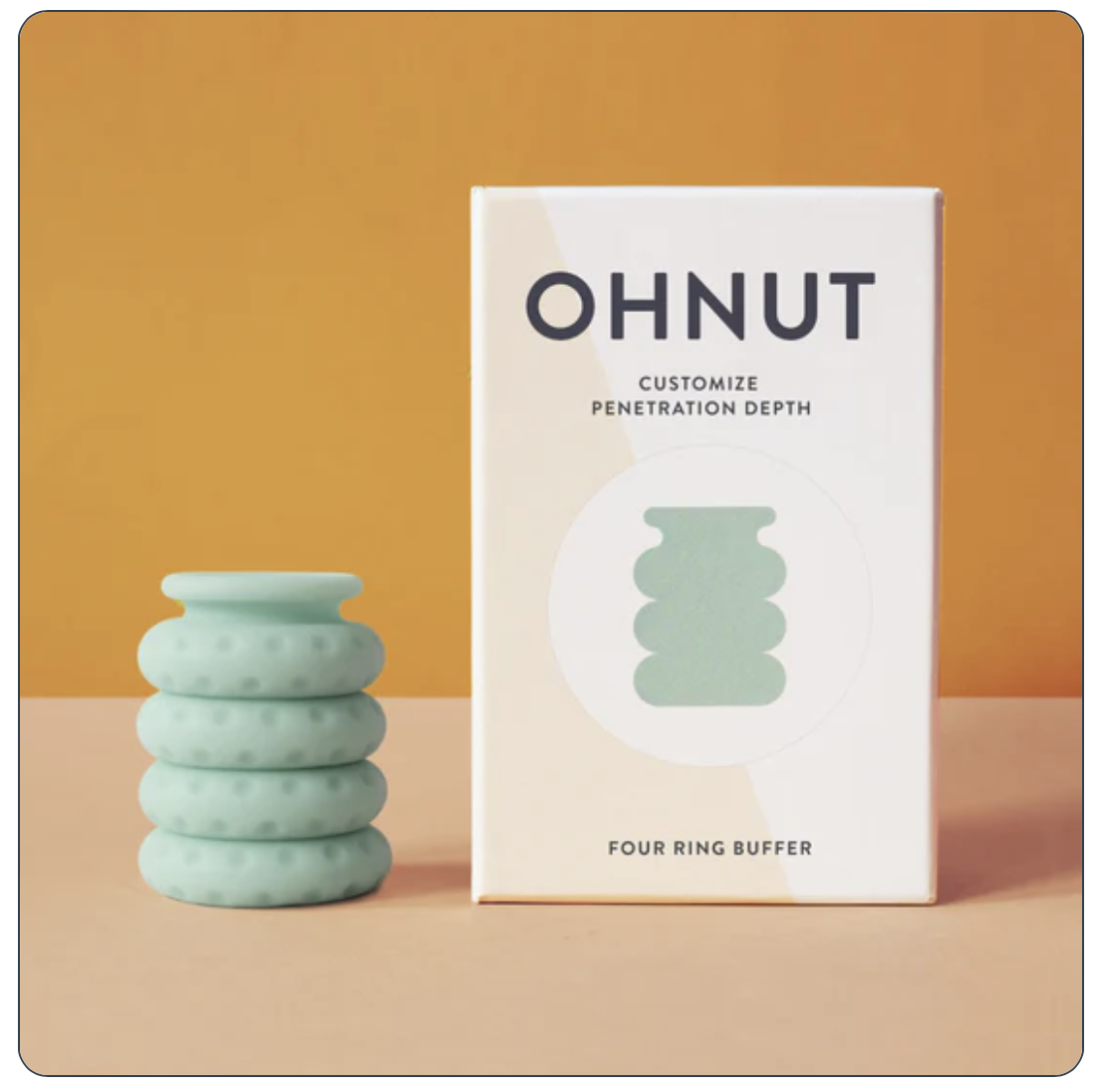
Once your twelve-week penetration prohibition is over, you may be concerned about your partner(s) going too deep and hurting you. Your partner(s) will be worried about this too. This can pertain to either a penis or a toy. One solution is to find a way to control depth of penetration with something that provides a “cushion” against going too deeply.
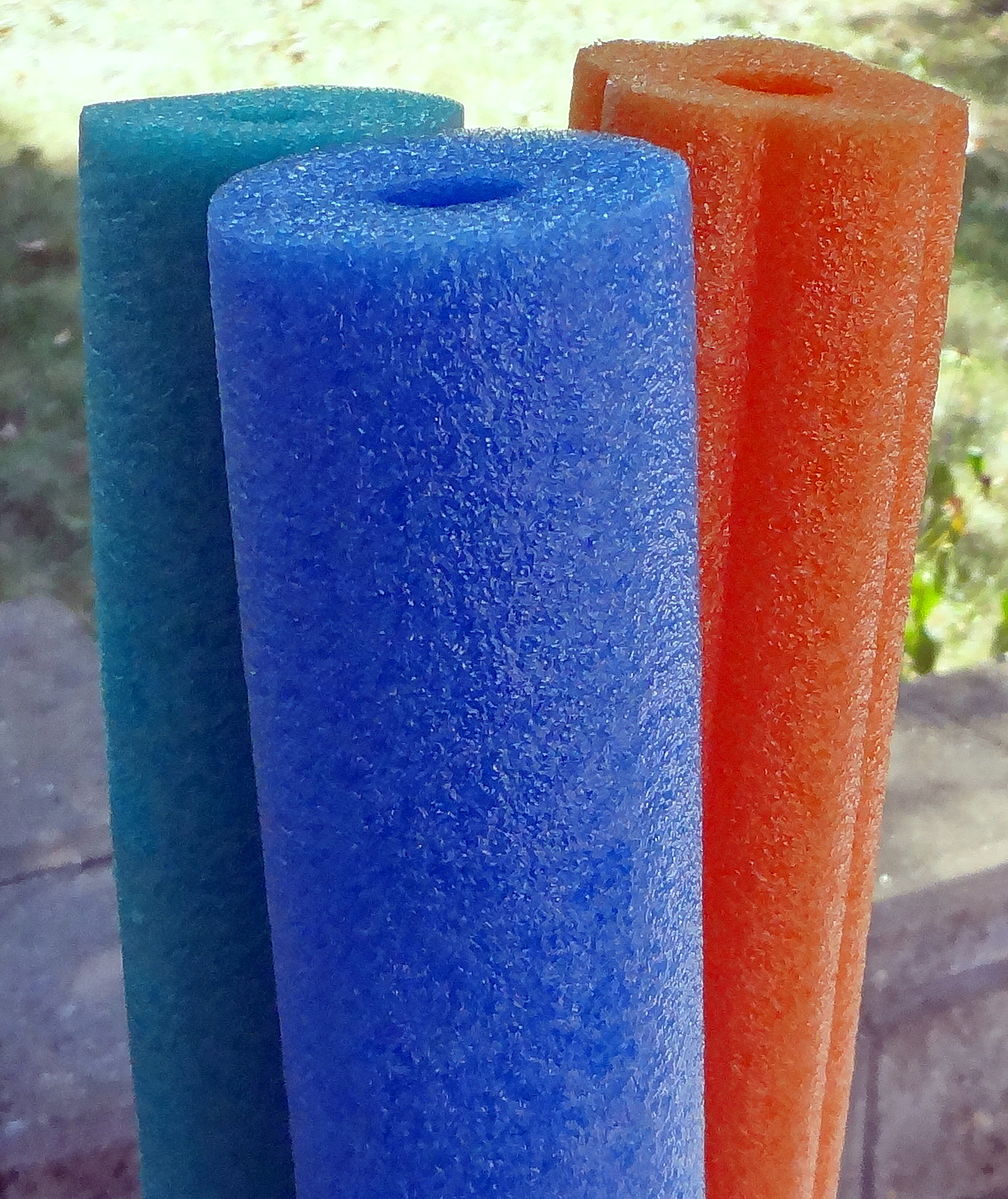
I was amused when one of my clinic providers said she recommended people get pool noodles and slice them to the appropriate width. This is an inexpensive sex hack for sure, but I have questions about maintaining cleanliness with such porous material. Also, could pool noodles be a source of microplastic exposure for both parties? Something to consider! Far better to budget for the clinician-recommended Ohnut four-ring buffer set, which you can purchase online or in any good local adult store for about $75, though there are also often discounts. See this page for 20% off codes for both Ohnut (for deep pain) and Kiwi (for entry pain) products.
Two more things to consider: there may also be pain at the vaginal opening as well as sudden incidents urinary incontinence
These can also be barriers to sexual pleasure and can inhibit orgasm. I’ll be covering these topics in more depth in the next blog post, where I will also expand and deepen the discussion about orgasm.
I hope you are finding this blog series to be useful.
References
Cruz, Soany de Jesus Valente, et al. “Sexual function and stress urinary incontinence in women submitted to total hysterectomy with bilateral oophorectomy.” Fisioterapia e Pesquisa 27 (2020): 28-33.
Dedden, Suzanne J., et al. “Hysterectomy and sexual function: a systematic review and meta-analysis.” The Journal of Sexual Medicine 20.4 (2023): 447-466.
Dini, Andini Z., Ferry Yusrizal, and Firmansyah Basir. “Influence of Total Hysterectomy to Sexual Function.” Indonesian Journal of Obstetrics and Gynecology (2022): 18-24.
Islam, Rakibul M., et al. “A prospective controlled study of sexual function and sexually related personal distress up to 12 months after premenopausal risk-reducing bilateral salpingo-oophorectomy.” Menopause 28.7 (2021): 748-755. [PDF available through Google Scholar link.]
Kershaw, Victoria, and Swati Jha. “Female sexual dysfunction.” The Obstetrician & Gynaecologist 24.1 (2022): 12-23.
Komisaruk, Barry R., Carlos Beyer-Flores, & Beverly Whipple. The Science of Orgasm. The Johns Hopkins University Press. 2006.
Levin, R. J. “Sex and the human female reproductive tract–what really happens during and after coitus.” International Journal of Impotence Research 10 (1998): S14-21.
Marsh, Amy R. Entrancing: Hypnotizing Your Way to More Pleasure, Romance, and Sex! Intimate Hypnosis Training Center. 2023.
Parish, Sharon J., et al. “International Society for the Study of Women’s Sexual Health clinical practice guideline for the use of systemic testosterone for hypoactive sexual desire disorder in women.” The Journal of Sexual Medicine 18.5 (2021): 849-867.
Shifren, Jan L., et al. “Transdermal testosterone treatment in women with impaired sexual function after oophorectomy.” New England Journal of Medicine 343.10 (2000): 682-688.
Stuursma, Annechien, et al. “Surgical menopause and bilateral oophorectomy: effect of estrogen-progesterone and testosterone replacement therapy on psychological well-being and sexual functioning; a systematic literature review.” The Journal of Sexual Medicine 19.12 (2022): 1778-1789. [PDF available through Google Scholar link.]
Winston, Sheri. Women’s Anatomy of Arousal: Secret Maps to Buried Pleasure. Mango Garden Press. 2010.
☽☆☾
 Amy Marsh, Sexologist & Hypnotist